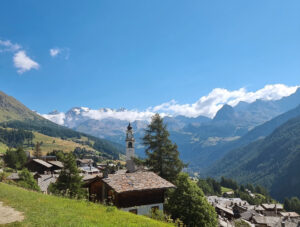
The open, sunny plateau of Barmasc (Barmâhc in the local dialect), rich in meadows and woods at the foot of Mount Zerbion and Colle Portolaz, was once situated along a major transportation route connecting the Swiss valleys, the Biella area, and Valsesia—a route that had been used since prehistoric times, when the climate was more favorable.
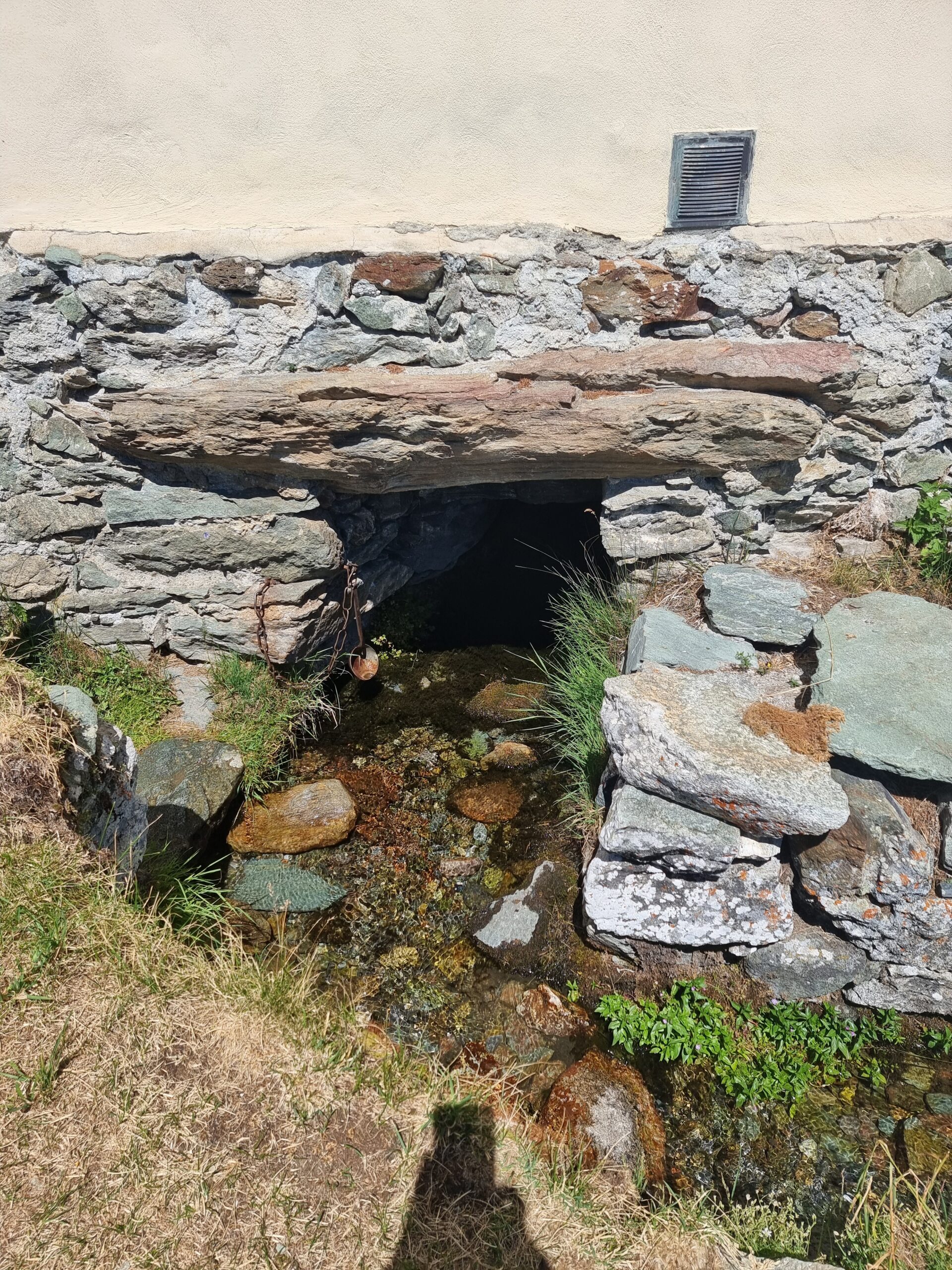
The place name Barmasc, composed of the root *barma—derived from the Celtic term *balma (cave)—and the pre-Celtic Ligurian suffix *-asco (common in the names of places near waterways), refers to the characteristics of the site itself, which features a spring and large erratic boulders with natural shelters beneath them. The site has been inhabited since ancient times, and the enigmatic cup-marked boulder (with hemispherical indentations) in a clearing near Colle Portolaz is likely a marker of an ancient high-altitude route.
The course of the medieval Ru Cortot, an artificial canal that supplied water to the Saint Vincent hill, marks the landscape, flanked by a trail accessible to all.
In this area, some groups of houses, once used for summer pastures, are being transformed into permanent settlements now reached by paved roads and equipped with essential services (Pieit, Les Goïls).
Even in Barmasc, which is not historically documented as a village, the houses stand isolated from one another. Some date back to the end of the last century, while the older ones bear the possible date of construction (‘millesimi’) engraved on the window frames protected by iron grilles (1780, 1840, 1853).
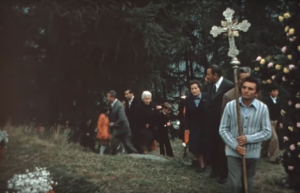
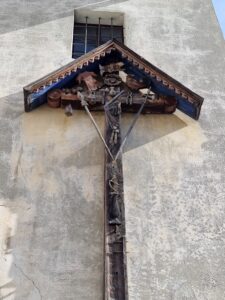
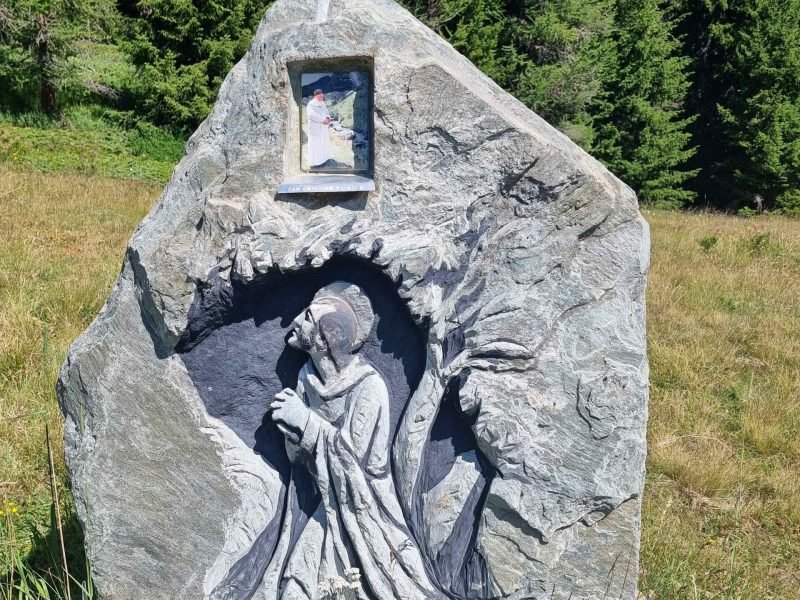
A natural spring that gave rise to an ancient water cult, the venerated sanctuary of Our Lady of Good Help, the memory of impressive processions, and the visit on July 15, 1990, by His Holiness Pope John Paul II—to whose memory a large wooden cross is dedicated—make Barmasc a true place of spiritual significance.
Map of Barmasc
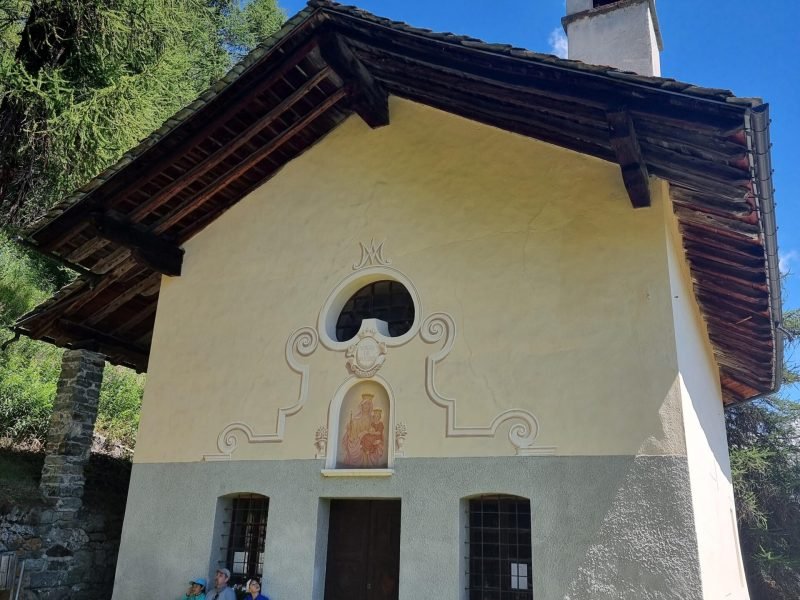
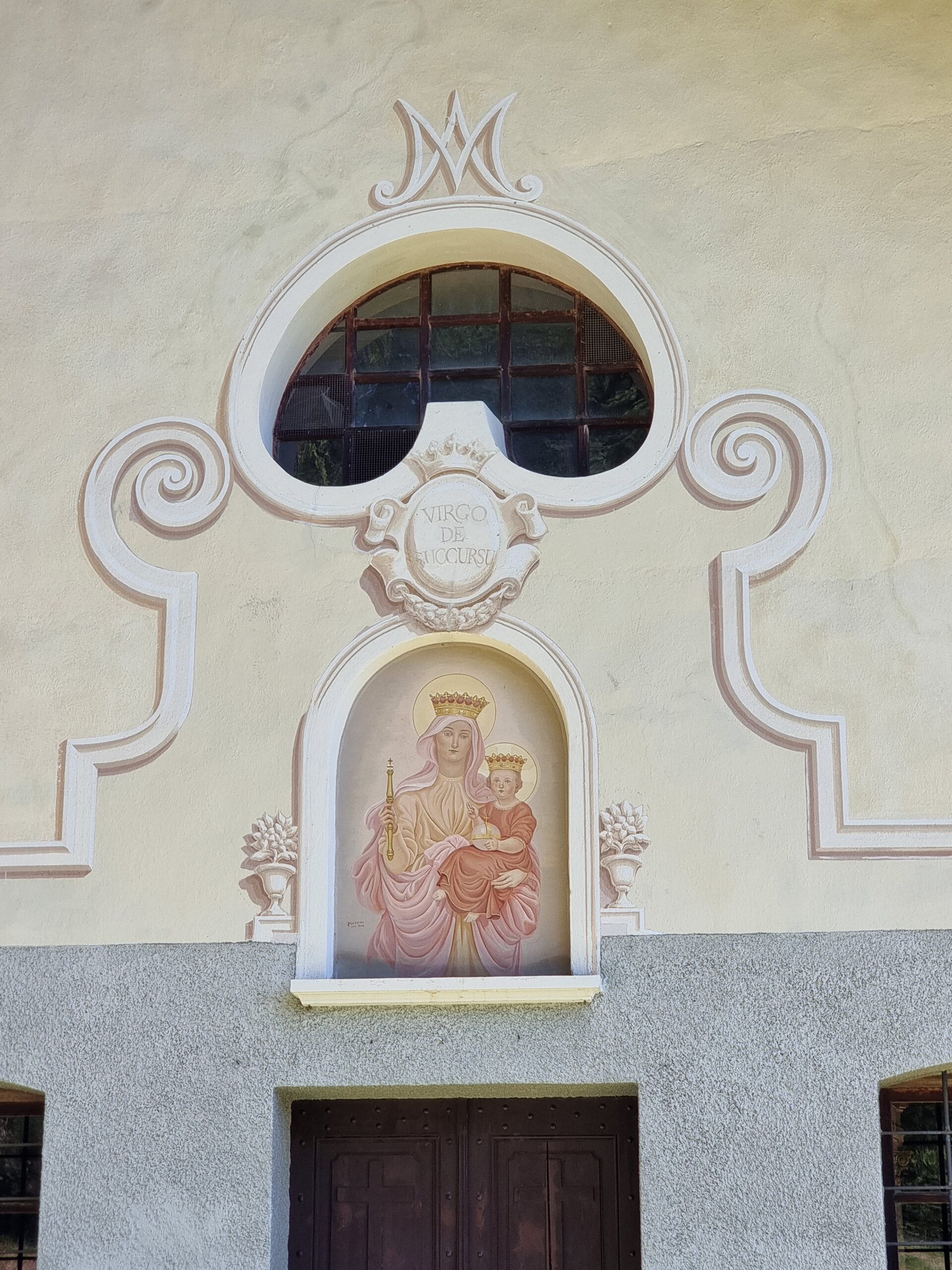
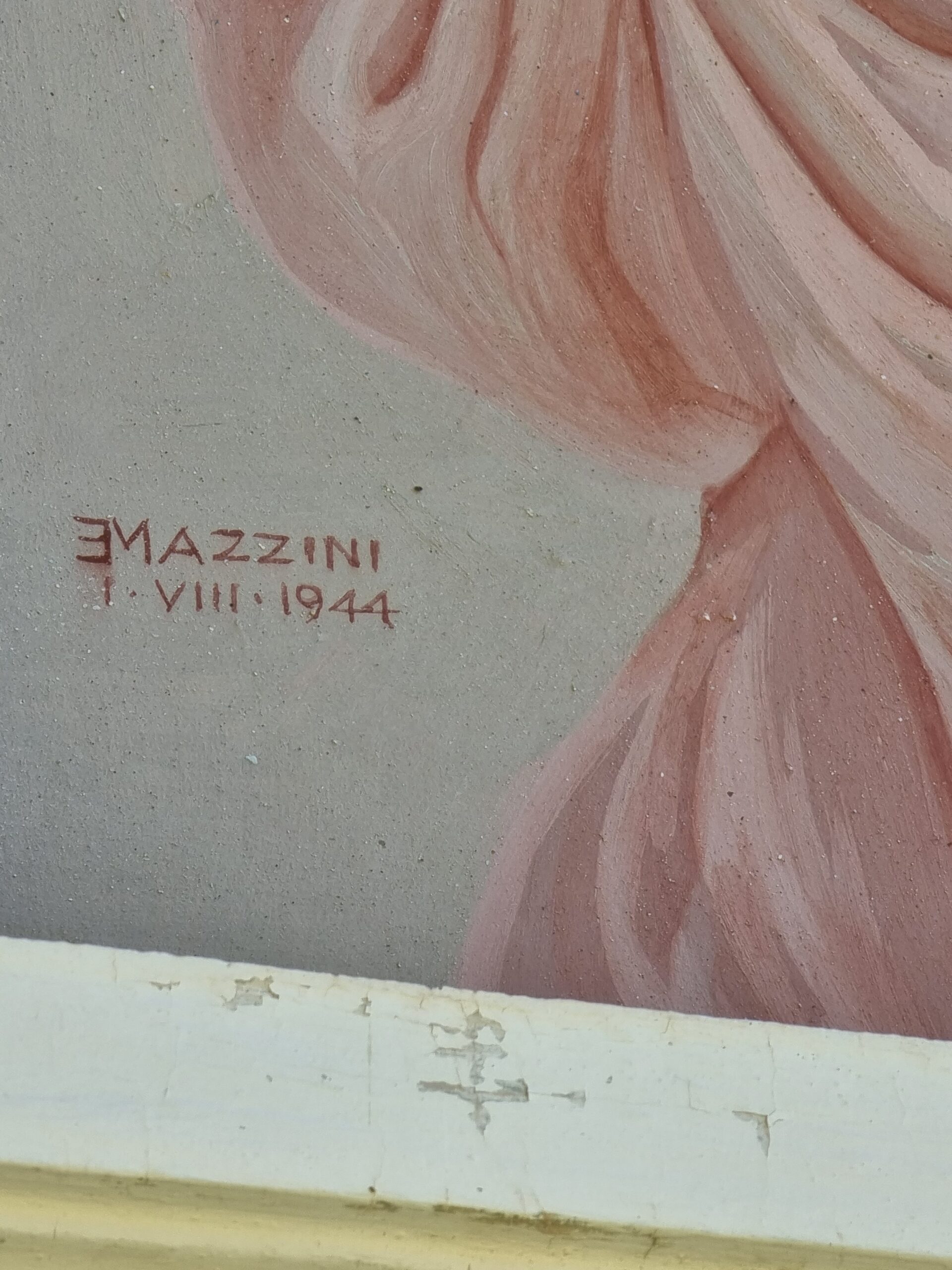
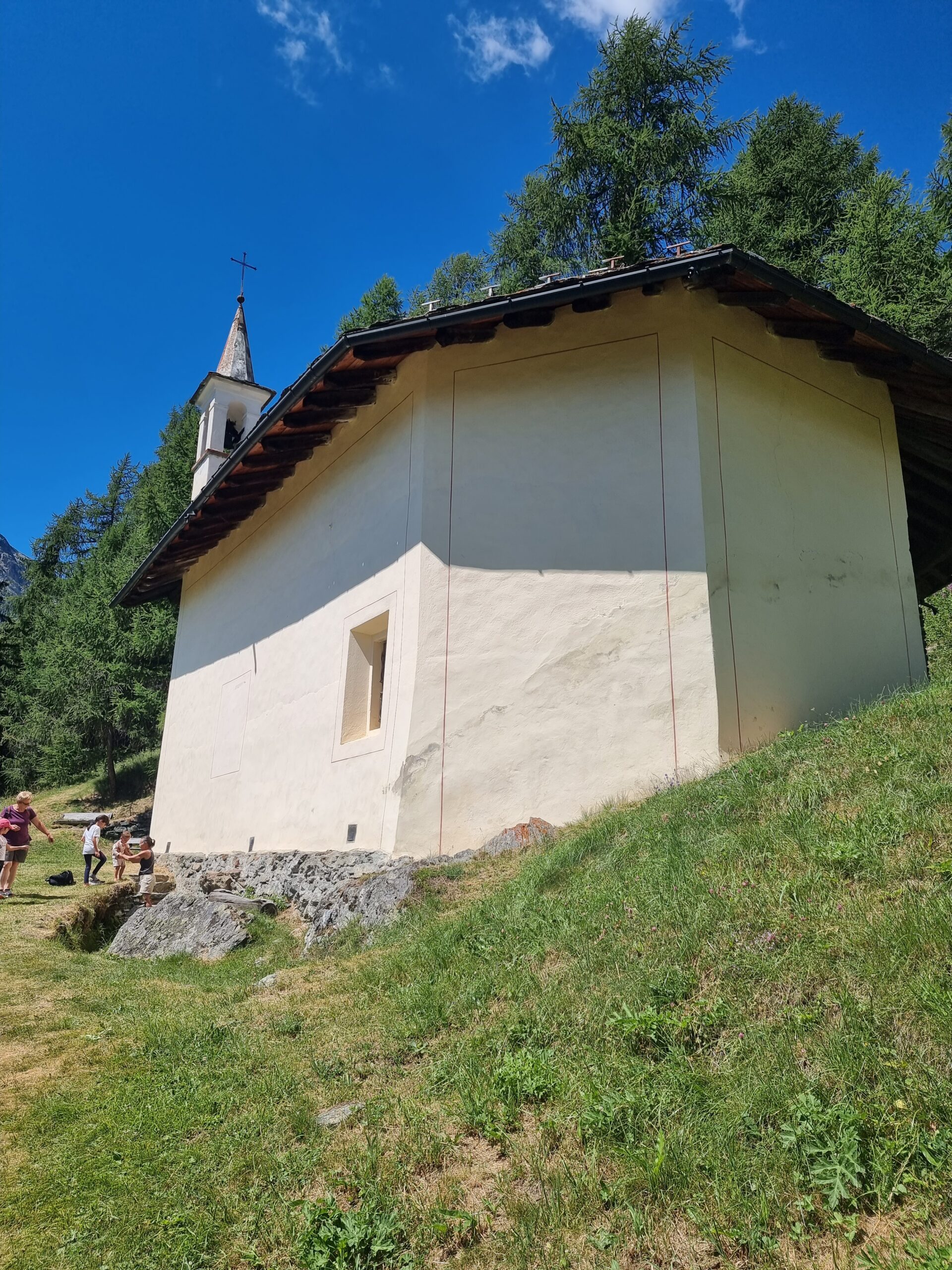
Sanctuary of the Madonna of Good Help
Inside, the altar with canopy dates back to 1938–39. On it stands a painting of the Madonna with Child and, on the sides, Saint Grat and Saint Jocund, the two Aosta Valley saints invoked to obtain rain and protect against bad weather, who replace the Magdalene, no longer the titular saint of the building and to whom the previous altar was dedicated. Popular devotion has been particularly directed towards the image of the Blessed Virgin: a half-length figure in cardboard and plaster of a crowned Madonna nursing the Child, with long red hair loose over her shoulders (like the Magdalene), according to a sixteenth-century German type. Of the same period are also the painted wooden shutters decorated with figures of Saints: inside, Saint Lawrence with the gridiron and Saint Martin dividing the cloak; on the outside, Saint Anne supporting the Virgin as a child and the Infant Jesus, and Saint Catherine with the symbols of her martyrdom, the sword and the broken wheel.
The origin of the Sanctuary of Barmasc is rooted in a legendary event that presents a recurring motif. Legend has it that a beggar, passing through Barmasc on his way to the Colle Portolaz, stopped to drink from the spring that flows in that place. He carried with him a painting of the Virgin with the Child, which he had placed on a rock: when he tried to leave, he could no longer detach the painting from the rock, despite his efforts and numerous attempts. The beggar then went down to Antagnod to tell the parish priest what had happened, and he brought the painting to the parish church: the next day, however, the painting had disappeared and was found again on the same rock at Barmasc. The same outcome occurred with the attempt to take the painting to the Chapel of Lignod: it returned up there, to its place. The message of the Virgin was clear and in that place, right above the spring, the Chapel was built.
From S.Favre, Ayas. Antropologia di un territorio. Luoghi, leggende, storie, fatti, Priuli & Verlucca 2020
A devotional itinerary
A true viewpoint
The summit of Monte Zerbion (2,722 m) is one of the best-known and most popular destinations in the Val d’Ayas, offering magnificent views of nearby Monte Rosa, the Matterhorn, Gran Paradiso and Mont Blanc. The route is also known for the Way of the Cross and the enormous statue of the Virgin Mary, ‘Regina Pacis’, situated on the summit. The hike presents no particular difficulties apart from the final section leading to Colle Portolaz, which is steep and slightly exposed.
Monsignor Giuseppe Obert (1890-1972)
An extraordinary figure as a priest and missionary bishop, as a boy he spent his summers working as a shepherd on a mountain pasture just a stone’s throw from the Sanctuary of Our Lady of Good Help. He entered the Pontifical Institute for Foreign Missions in Milan in 1912 and left for Bengal (India) in 1919. He was Bishop of Dinajpur (Bangladesh) from 1948 to 1968. His motto: Virgo potens, erige pauperem – Mighty Virgin, lift up the poor.