Learn more about the culture of the Val d’Ayas and its villages
Madonna Nera of Oropa
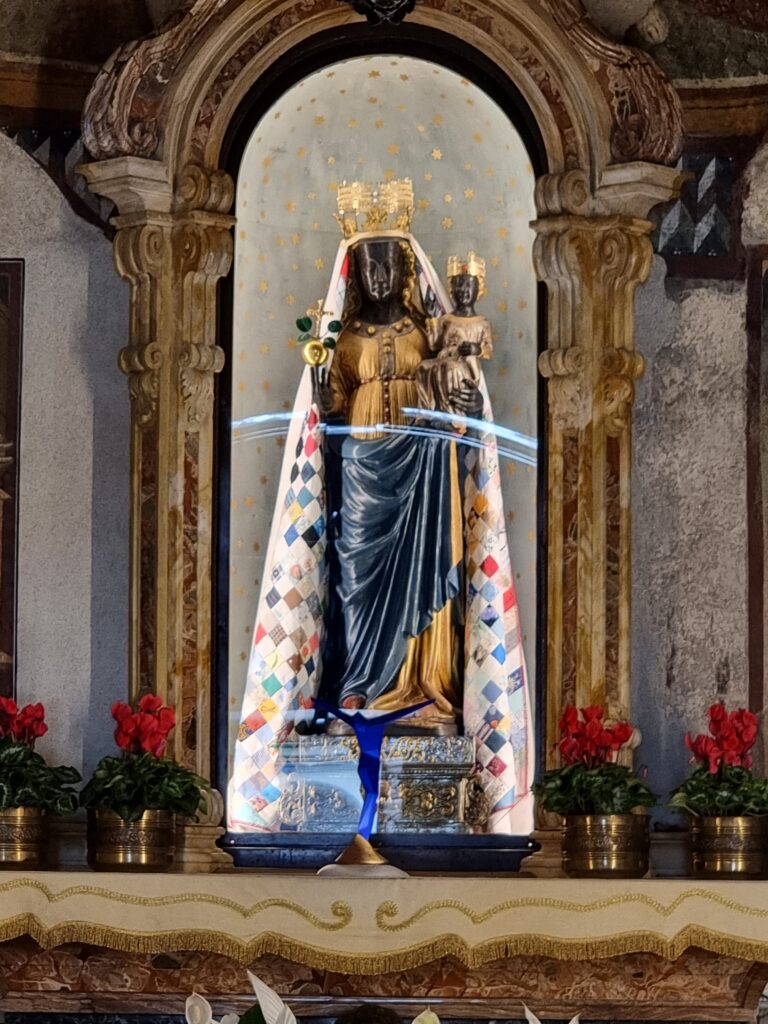
Antagnod Madonna Nera of Oropa The famous statue of the Black Madonna holding the Child, carved from Swiss pine by a sculptor from the Aosta Valley in the 13th century, is housed in the ancient basilica of the Sanctuary of Oropa (near the Piedmontese town of Biella), built in 1599 as a token of gratitude […]
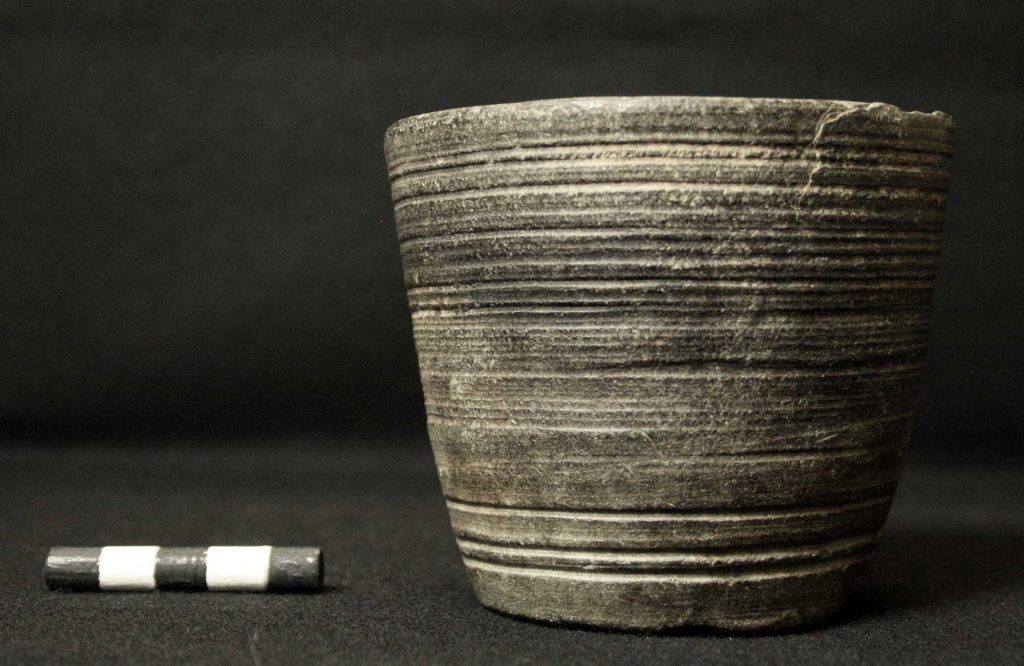
Soapstone Of great economic value to the mountain communities of the Aosta Valley, the production of soapstone cookware – a type of household pottery particularly suited to cooking polenta and soups and to food storage – has a tradition stretching back centuries, owing to the presence of numerous quarries and artisan workshops that were active […]
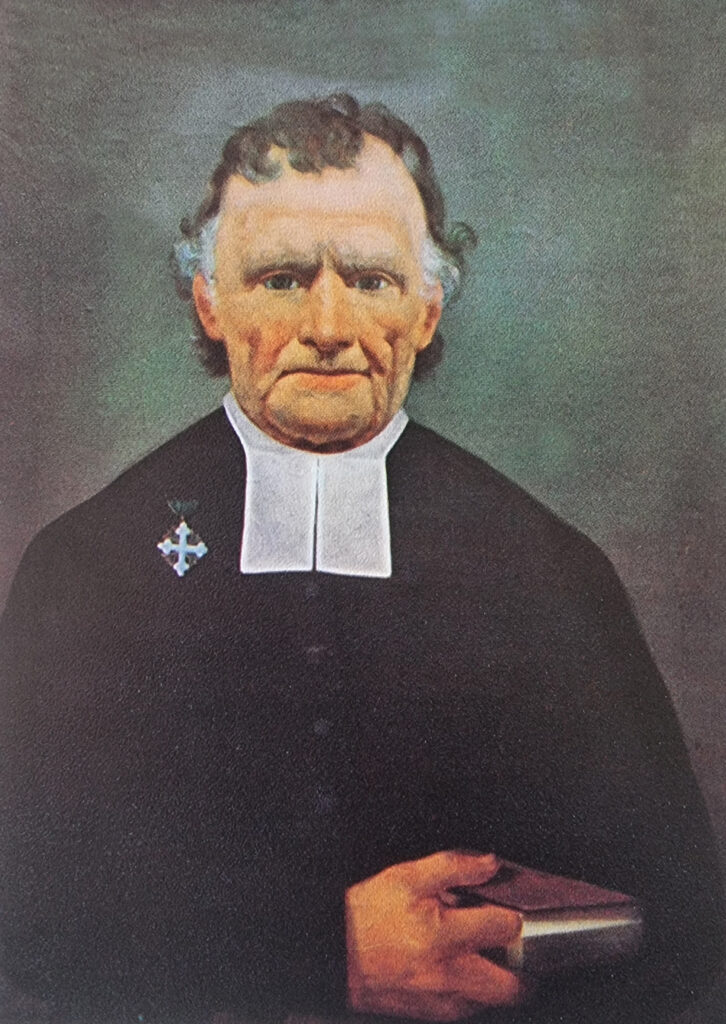
Antagnod François Victor Amé Dandrès A native of Fontainemore (Gressoney), François Victor Amé Dandrès (1791–1866) served as parish priest of Ayas from 1817 to 1866; he was an extraordinary and prominent figure within the clergy of the Aosta Valley at the time and remains fondly remembered by the community. The parish priest Dandrès (photo by […]
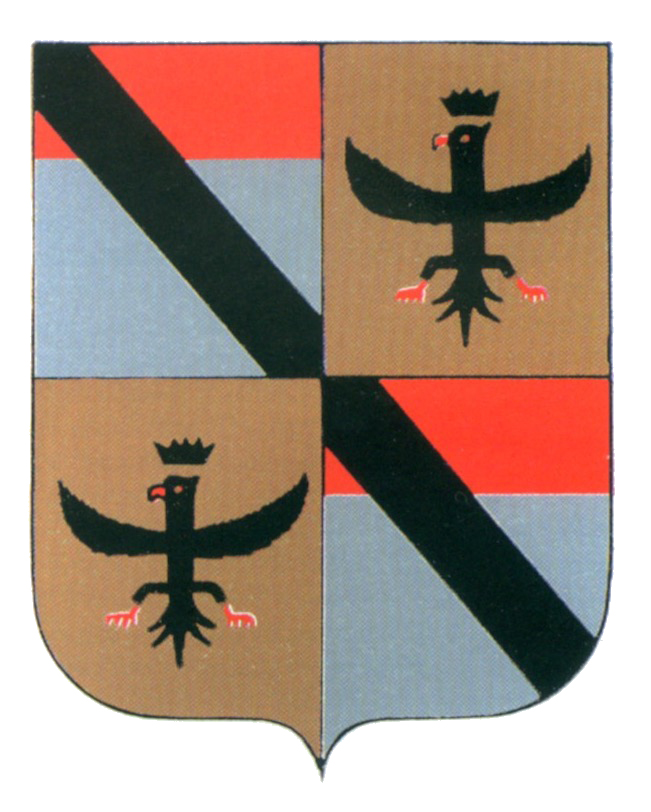
Antagnod Challant A noble family from the Aosta Valley that emerged in the 12th century and wielded considerable power during the Middle Ages and the Renaissance, a period in which it ruled over much of the Aosta Valley on behalf of the House of Savoy. The community of Ayas, together with that of Brusson, came […]
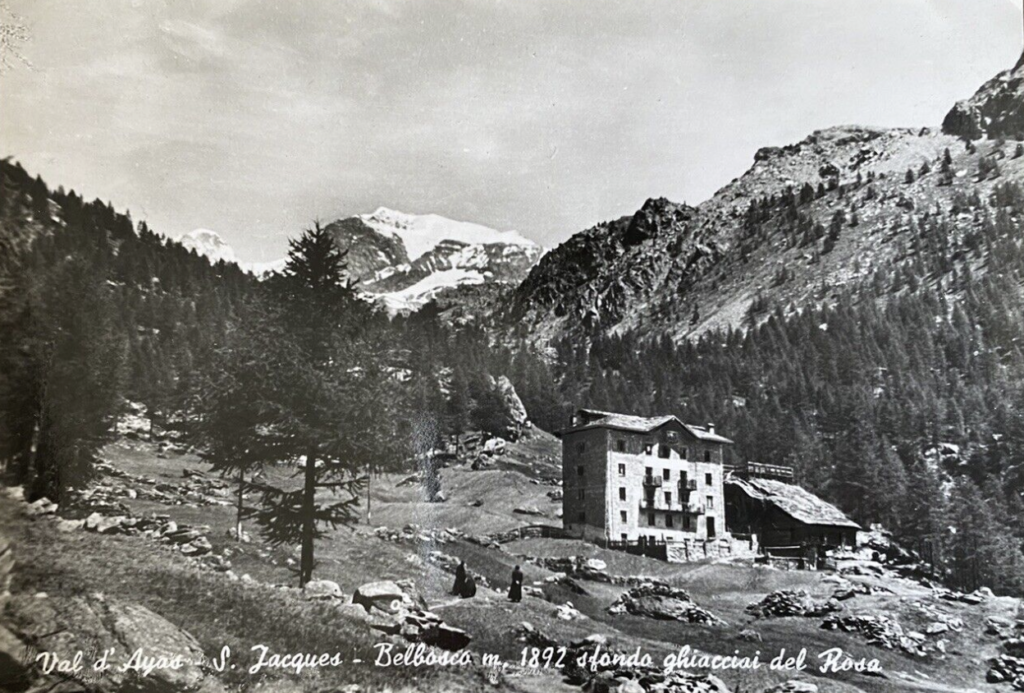
Champoluc Tourism Compared to Courmayeur, Gressoney-Saint-Jean and Le Breuil, which had enjoyed tourist and mountaineering prominence at a European level since the mid-19th century, Ayas was slow to take off. It was only with the construction of the carriage road, begun in 1887 and completed in 1924, that Ayas emerged from its mountain isolation. To […]
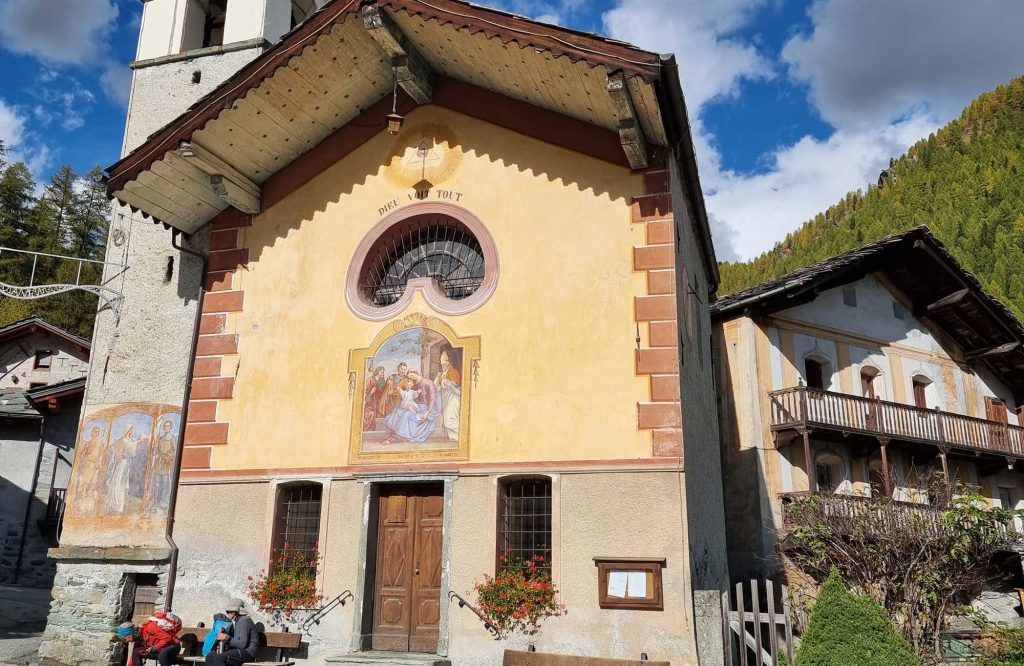
Saint Jacques des-Allemands Johann Joseph Franz Curta Born in Gressoney-Saint-Jean into a family with a long artistic tradition, Johann Joseph Franz Curta (1827–1881) was the creator of some of the many religious images painted between the 16th and 19th centuries on sacred buildings and private homes in the Ayas area. Frescoes by Curta can be […]
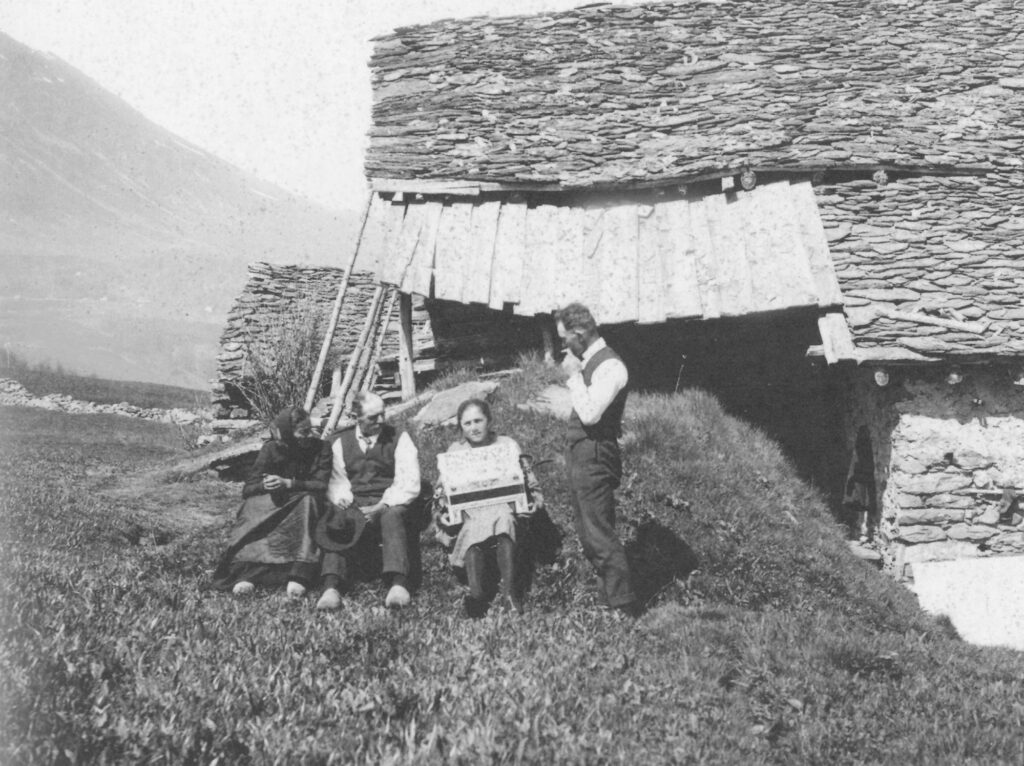
Champoluc The Organisation of the Village Given the particularly harsh climatic and environmental conditions, especially during the winter, each village was a self-contained and self-sufficient community, equipped with everything necessary for the community’s survival. Les Goïls. Rose Alliod, François Commod, Mariette dè Medé e Jean near the Commod family’s mountain pasture (photo from M.Domaine (edited […]
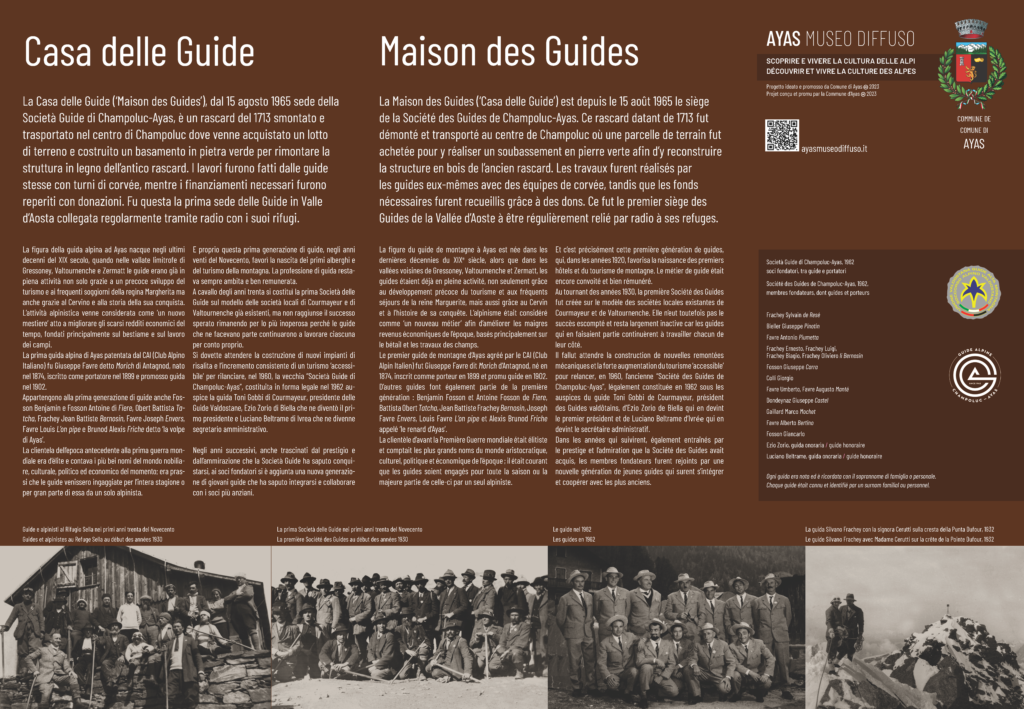
Champoluc House of Guides The House of Guides (‘Maison des Guides’), which has been the headquarters of the Champoluc-Ayas Guides’ Association since 15 August 1965, is a rascard dating from 1713 that was dismantled and transported to the centre of Champoluc, where a plot of land was purchased and a green stone foundation was built […]
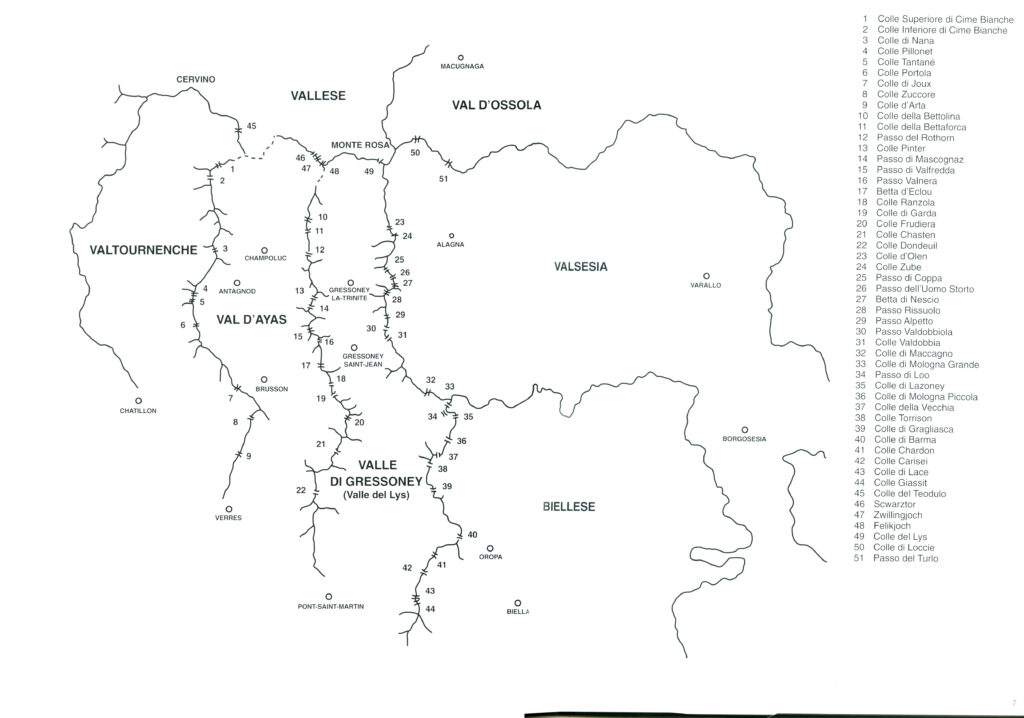
Champoluc Across the mountains The Val d’Ayas, together with the neighbouring Lys and Sesia valleys, the Biella valleys to the east and the Valtournenche to the west, are lands of ancient trade routes and regions where different cultures have intermingled; a group of valleys where the longitudinal routes along the valley floors—which descend southwards from […]
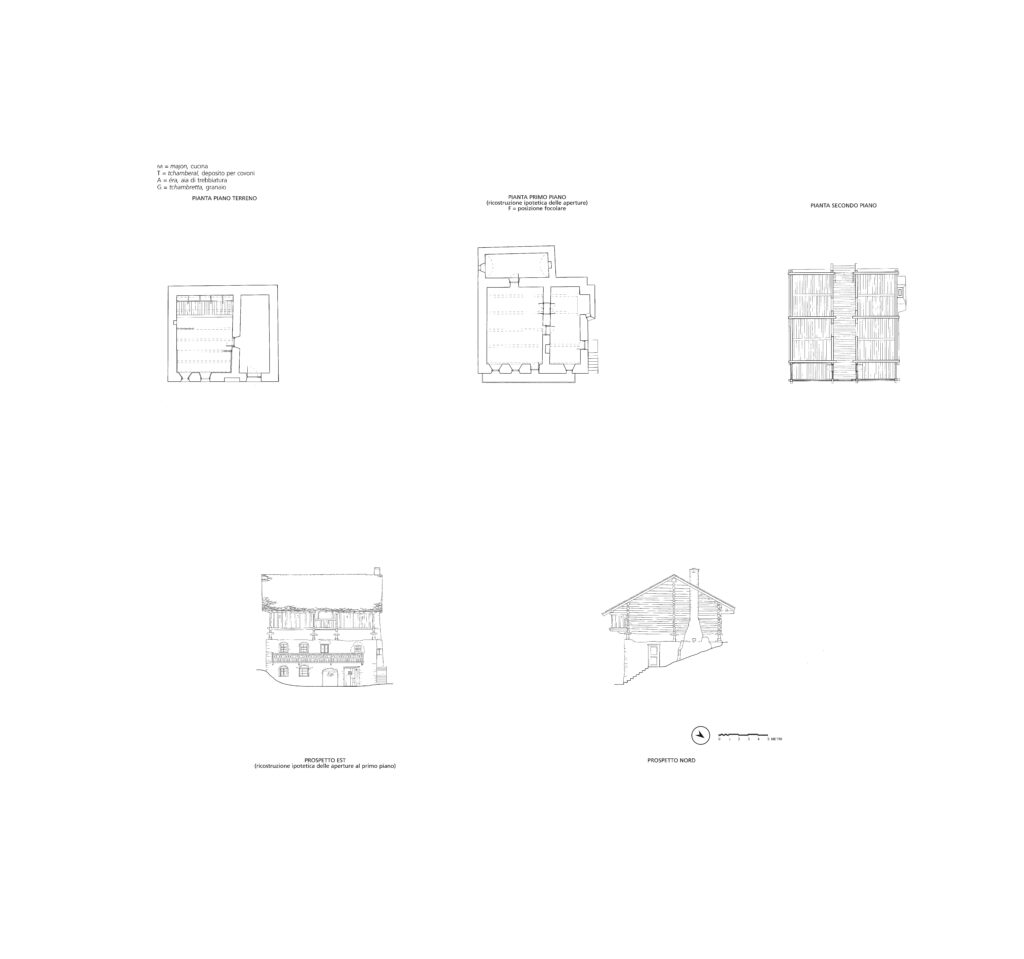
Antagnod The Rascard of Ayas The rascard (rahcart in the Ayas patois) is a wooden building used for threshing and storing grain. The climatic conditions of the high mountains make it impossible to thresh grain in the open air, as is customary in the plains. The precious days of the short summer were not to […]
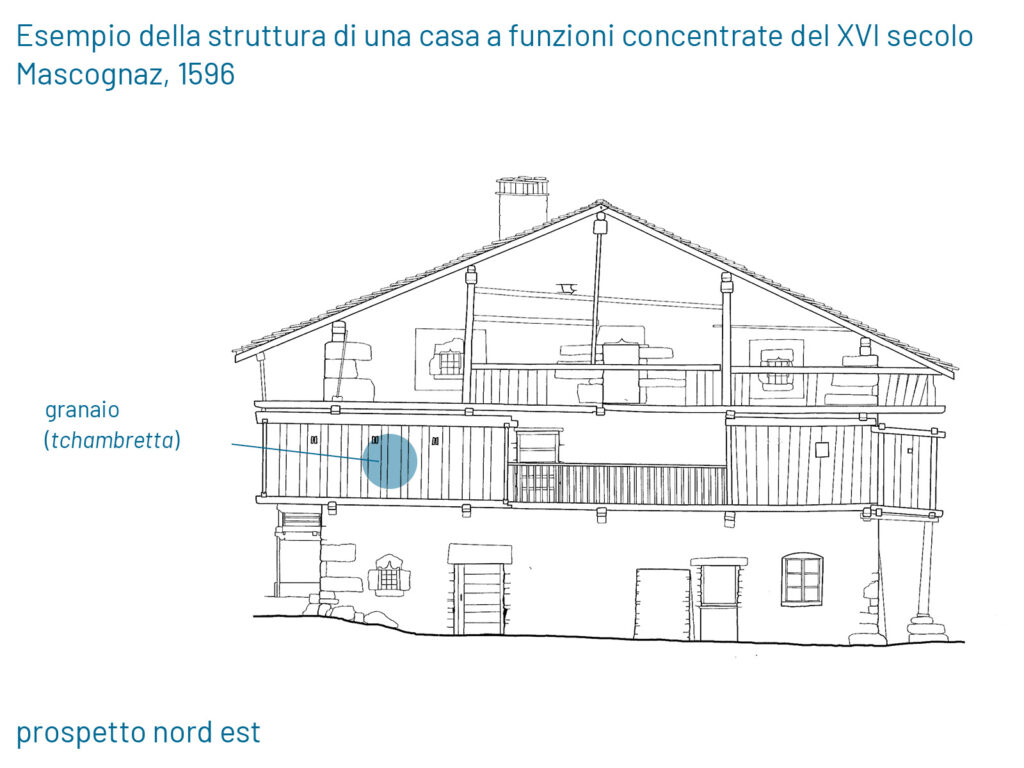
Antagnod Building with stone The availability of timber was certainly a key factor that had a profound influence on the development of architecture in Ayas, but other factors also played a part in shaping architectural styles. Graphic adaptation of a survey in D. Marco, Architectural Models and Building Practices between the 15th and 19th Centuries, […]
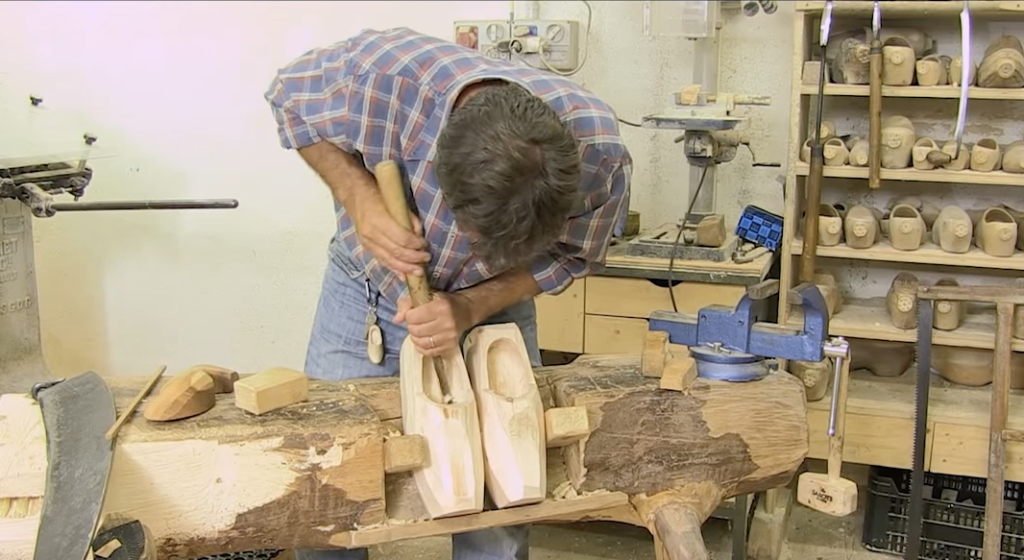
Antagnod Sabot worn on the snow (photo by Gianfranco Bini, from Various Authors, Ayas. Storia, usi, costumi e tradizioni della valle, Edizioni Società Guide Champoluc-Ayas, 1968, vol. II) The sabot The sabot (tsôque in the patois of Ayas), a sturdy piece of footwear carved from wood, is the product of an ancient craft industry unique […]